Specs
Perfect vision for the whole family
Discover a bold, versatile collection of reading glasses designed to suit every age and style – from trendsetting teens to style-savvy seniors. Whether you’re lost in a novel, tackling fine detail or looking for an amazing fashion accessory, we’ve got the perfect pair for you.
Our ever-evolving range combines today’s most-wanted styles with timeless classics, offering fresh new looks without sacrificing familiar favourites. Consisting of an exciting range of ladies, mens and unisex readers, we also have a comprehensive range of accessories to keep your glasses safe and conveniently at hand. As an added benefit, a free handy microfiber cleaning pouch is provided with every pair bought, to ensure your glasses stays clean and scratch free as the day you bought them.
Look out too for our computer reader range, with proven Blue light cutting technology, to keep your eyes safe and fresh whilst browsing the web, watching TV or getting through hours of computer work.
Find us at your local pharmacy today on our signature display stands, get in touch or ask your pharmacist to order in on your behalf.
Regular Readers
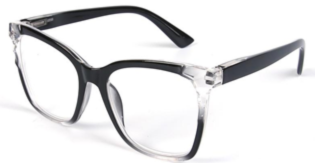
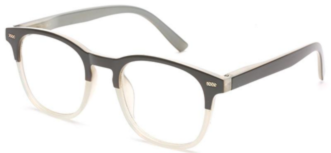
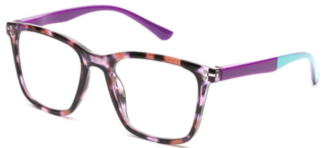
Our regular readers consist of men’s plastic, men’s metal, ladies, unisex and unisex twinpack.
Computer Readers
Computer reading glasses are specially made to help reduce eye strain. They have an anti-reflective coating
to help reduce glare from on-line devices, and a tint that helps increase in contrast for easier viewing.
This reduces digital eye strain and the resulting irritated eyes and the negative effects on sleeping patterns.
For individuals who already wear contact lenses or who do not wear glasses,
there is a plano lens available to ensure these benefits and protection are available to you too!
Frequently Asked Questions
When should I wear readers?
Reading glasses help compensate for diminished vision related to presbyopia, the normal age-related loss of the ability to focus on up close objects such as words in a book or text messages on your phone.
Presbyopia is a type of refractive error that is caused by changes in the lens of the eye as a result of the natural ageing process. Those suffering from presbyopia gradually lose their ability to focus on nearby objects such as reading a book, but in most cases their ability to see far away objects remain intact. Most people will notice the effects of presbyopia sometime after the age of 40 years.
Always keep them in your pouch when not in use. Only use a microfibre cloth to clean them and never a paper towel, tissue or toilet paper as they contain wood and paper particles that scratch lenses. Never wear glasses on your head. Always remove glasses from face with both hands as temples stretch, snap and pressure cracks can occur above lenses or on nose-bridge.
Computer reading glasses are specially made to help reduce eye strain. They have an anti-reflective coating to help reduce glare and a tint that helps increase contrast for easier viewing. For those individuals who wear contact lenses, or do not need glasses, there is a plano lens available (Plain glass lens with no vision correction)
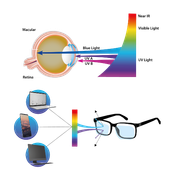
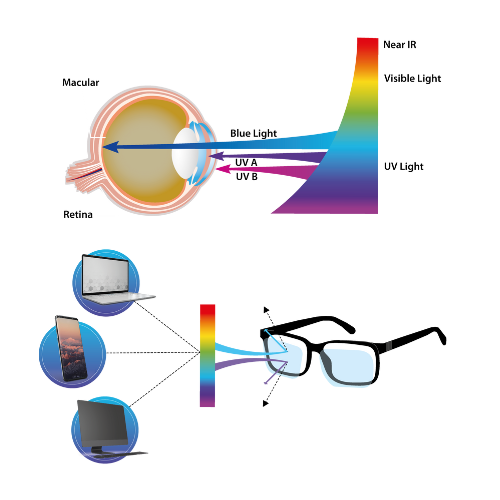
Blue light is everywhere. It is found in the sun’s rays and is emitted from the fluorescent lighting and screens of all electronic devises. The sun contains all colours of light including red, orange, green and blue. Each of these colours emits different energy levels. Red light for example has larger wave lengths and less energy. Blue light and the other end of the spectrum, has shorter wave lengths and more energy.
While you get most of your exposure to blue light from the sun when outside, people are now getting more exposure than ever when they’re inside from their screens .Your cornea and eye lens are good at blocking out harmful UV light from reaching the retina, but they cannot block out blue light. Damage to the retina can increase your risk of developing macular degeneration, which is a leading cause of blindness. By protecting your eyes from blue light, you are also reducing your risk of developing cataracts.
Spending excessive time in front of television sets, laptops or smart phone causes Digital Eye Strain (DES), also called Computer Vision Syndrome (CVS). The longer a person stares at a screen, the less they blink their eyes, and this causes discomfort or vision problems. Less blinking causes dryness, itchy eyes as well as redness and irritation. In addition, DES also negatively affect sleep patterns and cause upper body pain.
DES symptoms include the following:
What are the common signs and symptoms of presbyopia?
How do I care for my glasses?
Why should I wear computer readers?
What is blue light and DES?